Core Bloom is an agribusiness consultancy, trade, and agro-innovation platform enabling the export and import of high-value agricultural products, technologies, compliance systems, and knowledge between Africa, Europe and North America.
Bridging Africa’s Harvest to the European and North America’s Markets through Trade, Technology, and Knowledge Systems. Core Bloom is an agribusiness consultancy, trade, and agro-innovation platform enabling the export and import of high-value agricultural products, technologies, compliance systems, and knowledge between Africa, Europe and North America. We go beyond commodity trade.
Core Bloom operates at the intersection of trade, technology, compliance, and capacity building.
Core Bloom delivers an integrated model that combines the export and import of agricultural products with the transfer of innovation across markets. Through structured trade systems, high-value African commodities are connected to international buyers while modern agricultural technologies, inputs, and production innovations are introduced into local markets to strengthen productivity and competitiveness. This is reinforced by a strong focus on knowledge systems development—designing and embedding practical tools such as farm management systems, standard operating procedures, and training frameworks that enhance efficiency, consistency, and scalability across the value chain. Rather than operating as a traditional trading entity, the approach ensures that every transaction contributes to long-term capacity building and operational improvement.
To meet global market expectations, Core Bloom prioritizes compliance, quality assurance, and traceability at every stage of the supply chain. This includes supporting producers and processors to align with international standards, facilitating certification readiness, and implementing traceability systems that allow products to be tracked from origin to end market. Complementing this is the provision of critical food processing and packaging inputs—such as food-grade materials, labeling systems, and traceability-enabled packaging—that enhance product integrity and market readiness. Additionally, digital agriculture services are deployed to modernize operations, including digital record-keeping, productivity tracking, and supply chain digitization, all designed to be accessible and impactful for smallholders, cooperatives, and agro-enterprises.
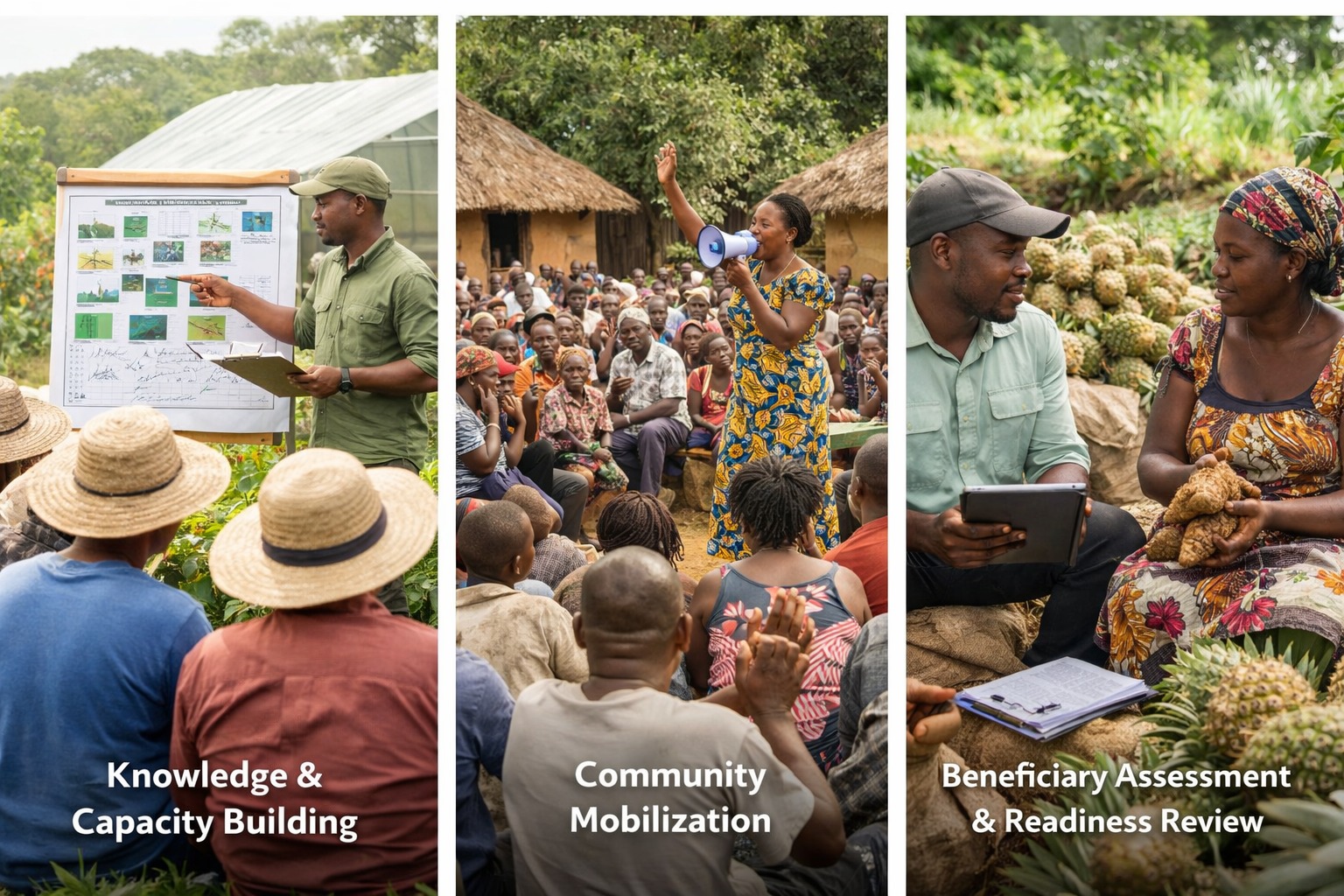
These services are further strengthened through tailored consulting and IT solutions that address the unique needs of agribusinesses across different contexts. Core Bloom operates through a structured methodology: assessing local conditions and readiness, designing appropriate systems and interventions, sourcing products and partners ethically, executing trade and operational processes efficiently, and scaling sustainably through continuous improvement and market expansion. The overall impact is centered on empowering farmers, promoting ethical sourcing practices, and ensuring traceability while aligning with global development priorities such as poverty reduction, decent work, and responsible production. This holistic model creates a resilient ecosystem where economic growth, social inclusion, and environmental sustainability are achieved simultaneously.
HOW WE WORK
Assess → Design → Source → Execute → Scale
IMPACT
• Empower farmers • Ethical sourcing • Traceability • SDGs aligned
North America buyers represent a diverse and rapidly growing market segment that includes food distributors, organic and natural product manufacturers, cosmetic and personal care brands, nutraceutical companies, and specialty wellness retailers. These buyers are increasingly seeking high-quality, ethically sourced, and traceable agricultural products to meet rising consumer demand for sustainability, transparency, and health-conscious goods. However, many of these companies face challenges in accessing reliable African supply chains that meet strict regulatory, quality, and certification standards. This creates a significant opportunity to bridge the gap between demand in North America and supply in Africa through structured, compliant, and trustworthy trade systems.
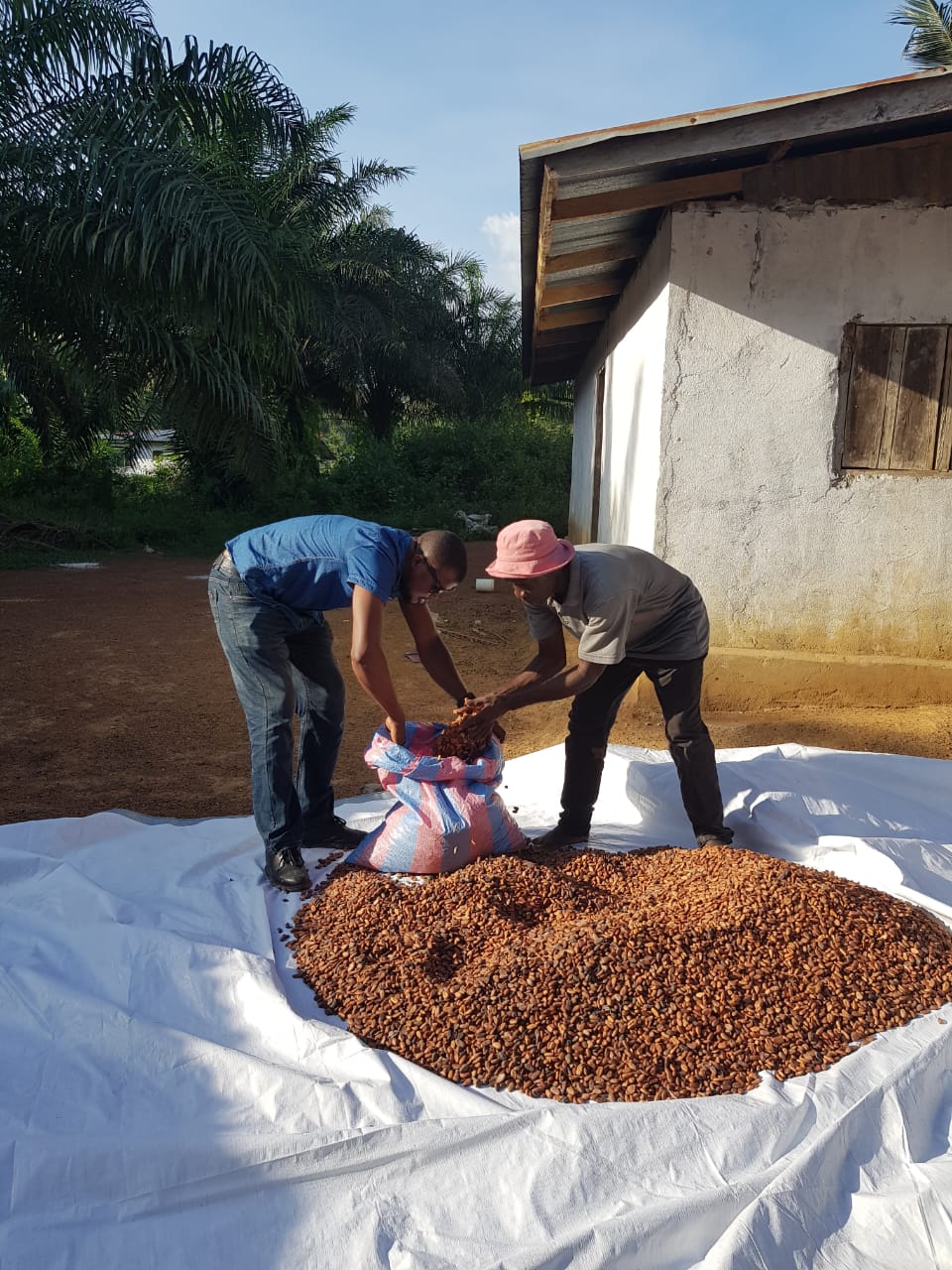
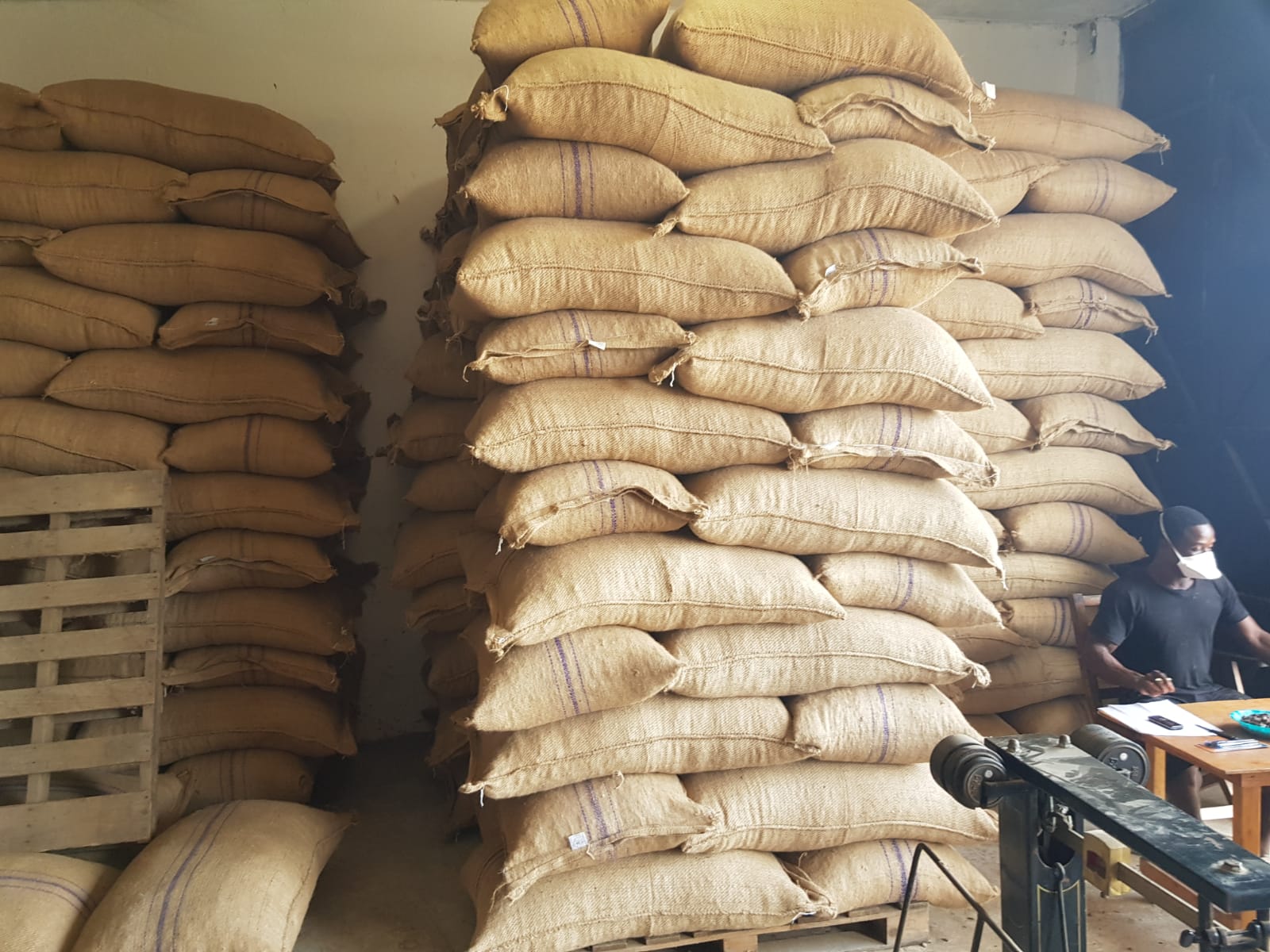
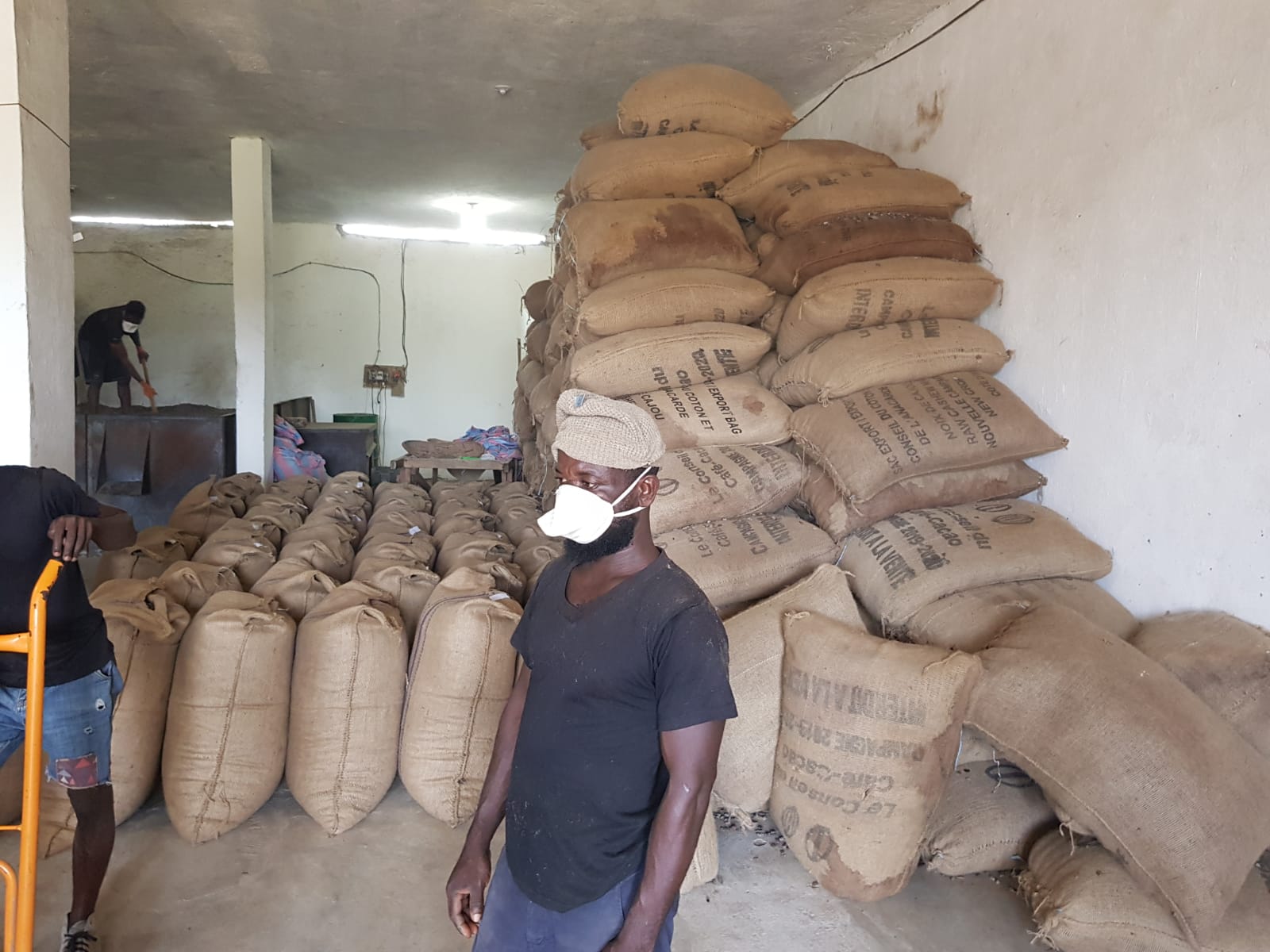
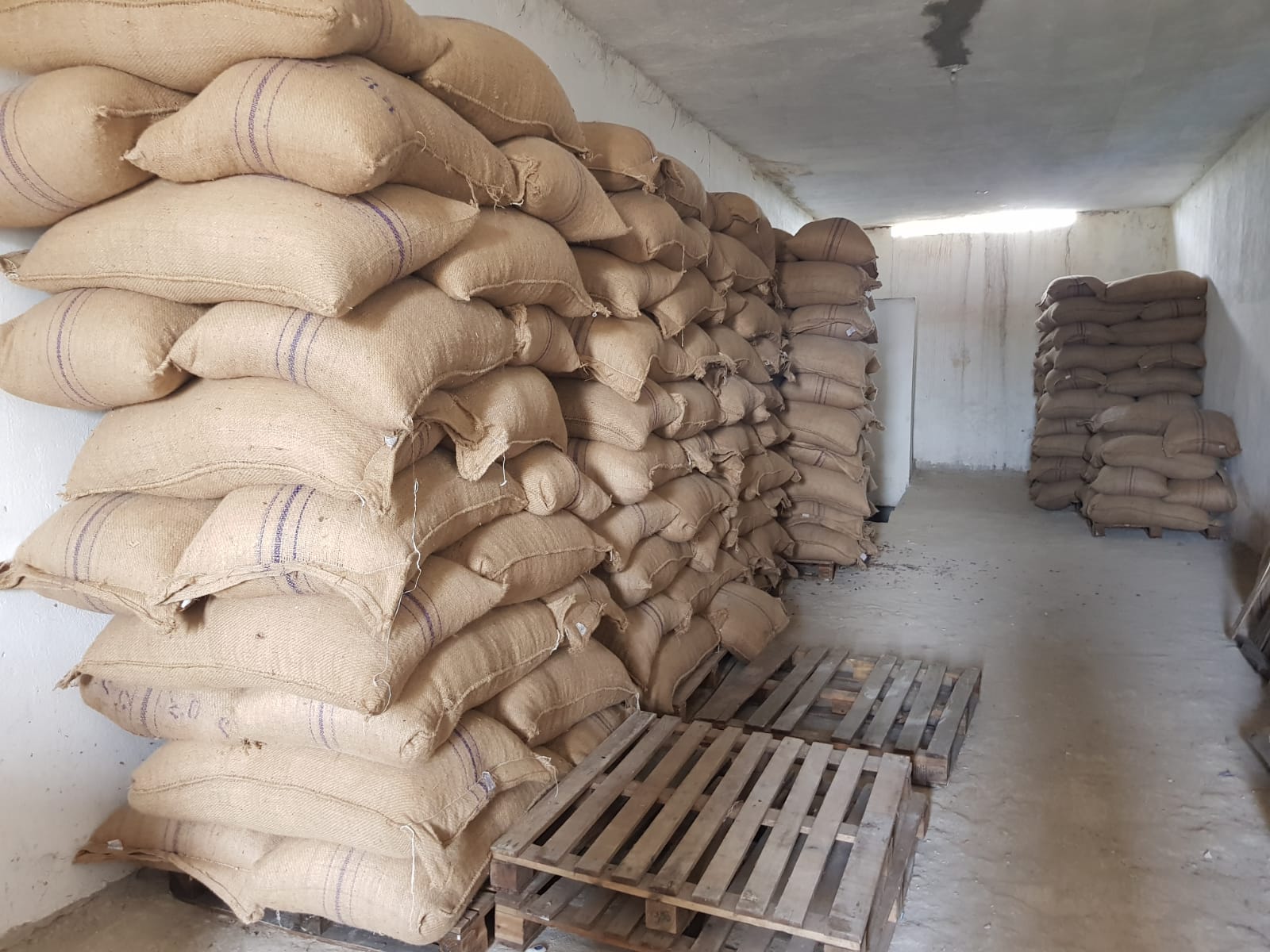
On the other side, African sourcing networks consist of smallholder farmers, cooperatives, agro-processors, and emerging agribusiness enterprises that produce valuable commodities such as cocoa, shea butter, coffee, hibiscus, moringa, ginger, and palm products. While these producers have strong production potential, they often face constraints including limited access to international markets, inadequate processing infrastructure, lack of compliance systems, and weak market linkages. Strengthening these sourcing networks involves organizing producers, improving quality standards, building capacity, and embedding traceability and certification systems that align with global market requirements. Bridging North America buyers with African sourcing networks requires more than simple trade—it demands an integrated approach that combines market intelligence, compliance support, logistics coordination, and relationship management. By establishing structured supply chains, ensuring product consistency, and facilitating transparent transactions, this connection reduces risk for buyers while increasing income and market access for producers. Ultimately, this linkage creates a mutually beneficial ecosystem where African agricultural value is elevated, and North American markets gain access to authentic, sustainable, and high-quality products backed by ethical sourcing practices.Supporting sustainable farming and fair trade is essential for building resilient agricultural systems that benefit both people and the environment. Sustainable farming encourages practices such as soil conservation, crop rotation, organic inputs, and efficient water use, all of which help preserve natural resources for future generations. When combined with fair trade principles, farmers receive equitable compensation for their labor, enabling them to invest back into their farms, families, and communities. This approach not only improves livelihoods but also fosters long-term economic stability in rural areas, where agriculture is often the primary source of income.
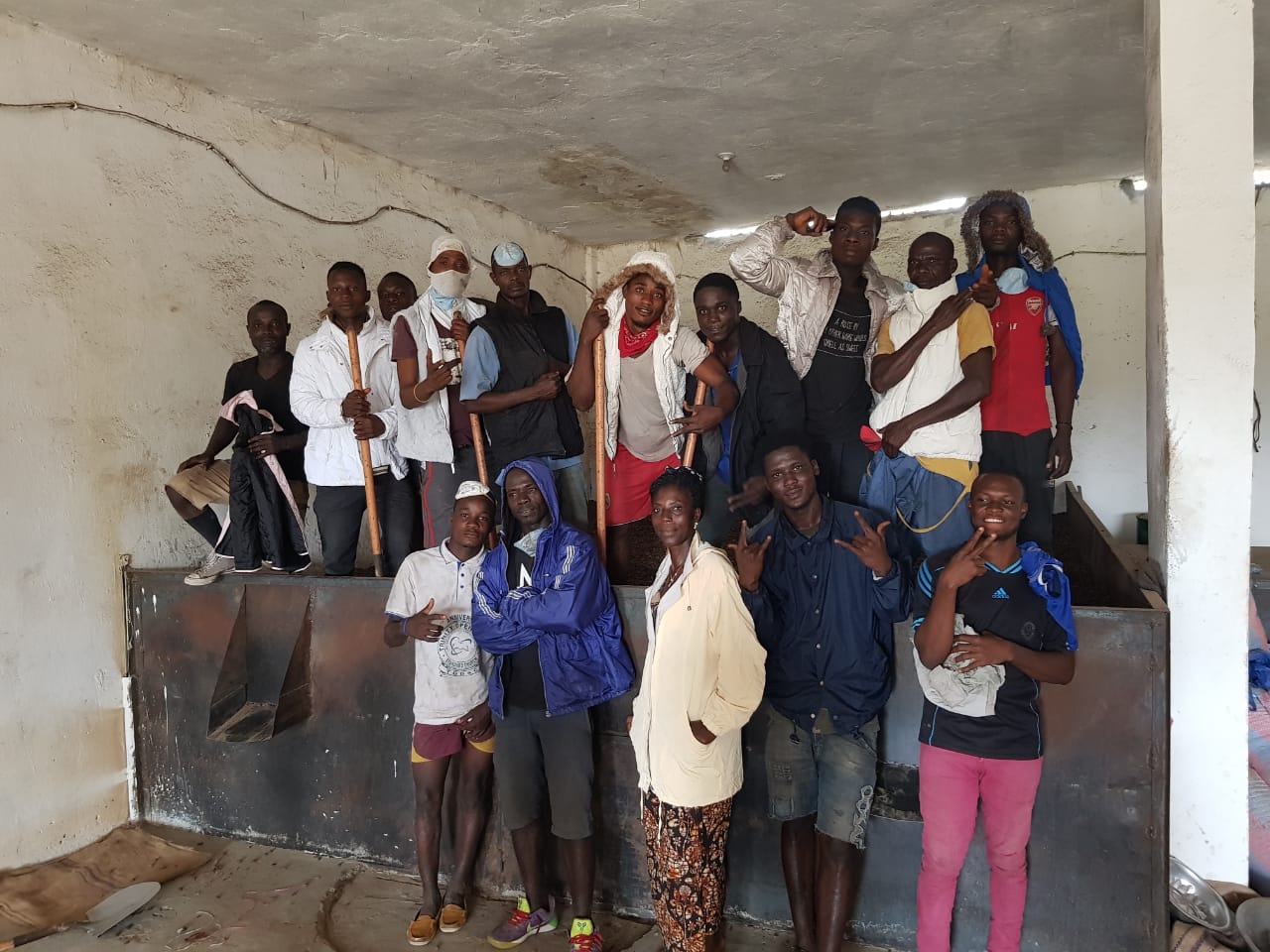
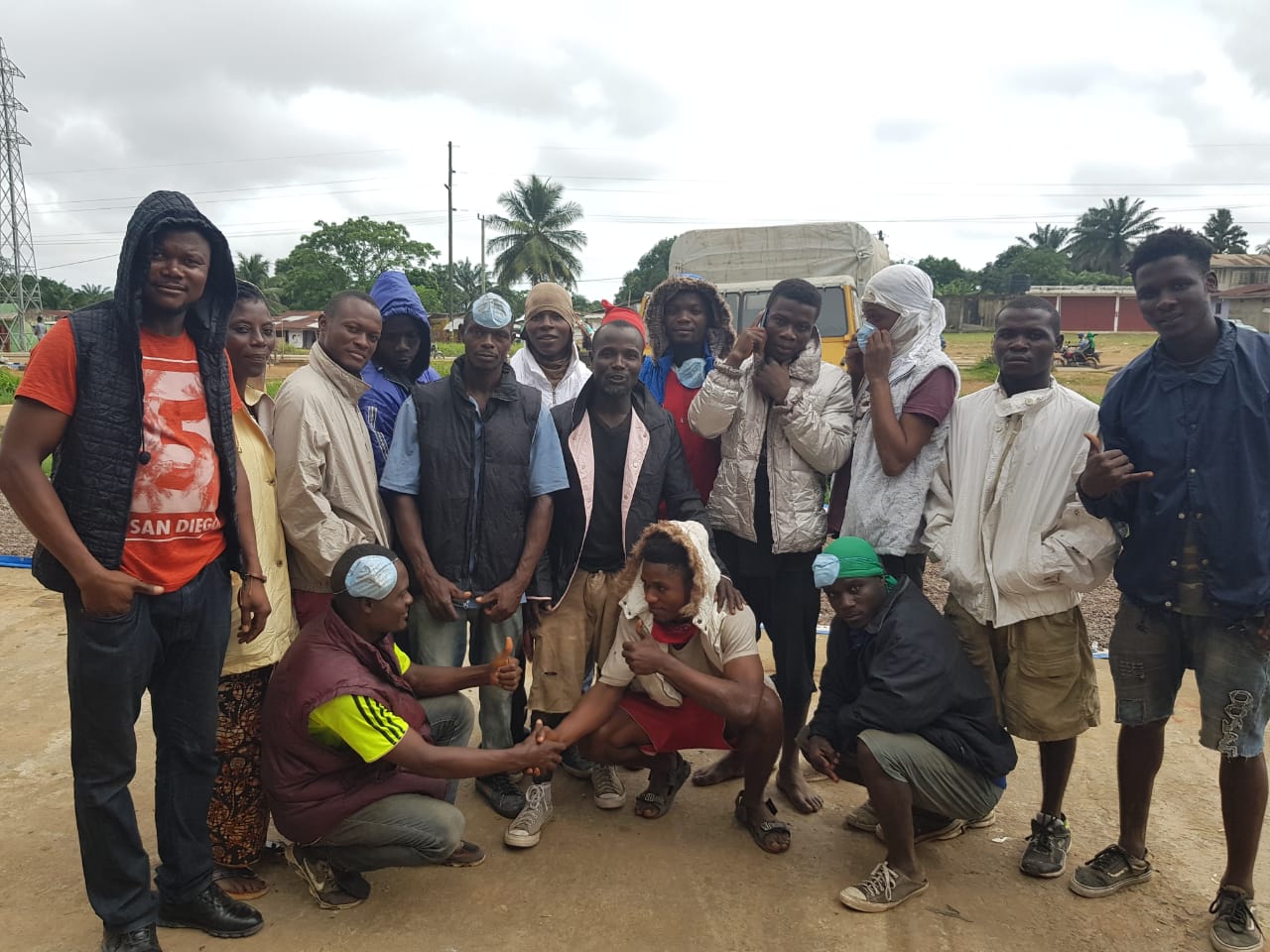
Empowering smallholder farmers, agro-based small and medium enterprises (Agro SMEs), and agricultural cooperatives is a critical step toward inclusive agricultural development. Smallholder farmers produce a significant share of the world’s food, yet they often face barriers such as limited access to finance, markets, and modern technologies. By strengthening cooperatives and supporting Agro SMEs, farmers can pool resources, access training, improve productivity, and negotiate better market prices. This collective empowerment enhances value chains, creates employment opportunities, and stimulates local economies, ultimately contributing to poverty reduction and rural transformation.
Promoting traceability and ethical sourcing ensures transparency throughout the agricultural supply chain, from farm to consumer. Traceability systems allow stakeholders to track the origin of products, ensuring they are produced under safe, fair, and environmentally responsible conditions. Ethical sourcing further reinforces accountability by prioritizing human rights, fair labor practices, and environmental stewardship. Together, these measures build consumer trust, encourage responsible business practices, and reduce exploitation within the supply chain.
These efforts strongly align with the United Nations Sustainable Development Goals, particularly SDG 1 (No Poverty), SDG 8 (Decent Work and Economic Growth), and SDG 12 (Responsible Consumption and Production). By improving farmer incomes and supporting rural livelihoods, sustainable agriculture directly contributes to poverty alleviation. The creation of fair and inclusive economic opportunities promotes decent work and sustained economic growth, while responsible production methods ensure that natural resources are used efficiently and sustainably. Altogether, this integrated approach supports a more equitable, transparent, and sustainable global food system.